No Commissions

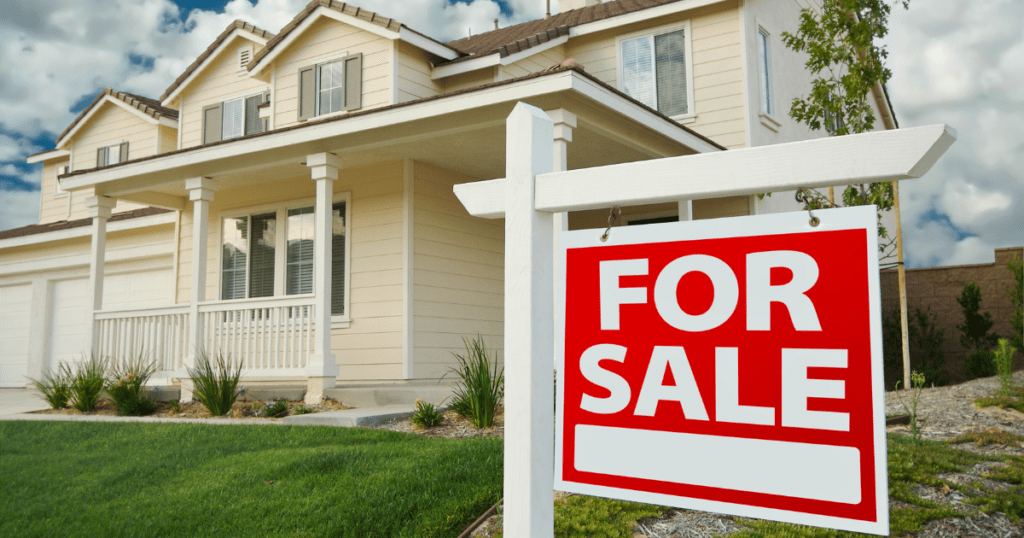
Residential house with for sale signage in front

Sell Your House Fast in NJ through Seller Financing

Did you know that you can potentially sell your house fast in NJ, generate ongoing income, and even save on taxes?
If you’re selling your house, you may be considering the traditional route of listing with a real estate agent and waiting for a qualified buyer to come along. But what if you could take matters into your own hands? 
That’s where seller financing comes in. By offering financing to potential buyers, you can increase the affordability and accessibility of your property, potentially sell your house fast and generate ongoing income for yourself. But is seller financing right for you? In this article, we’ll explore the pros and cons of seller financing in real estate, as well as the different types of seller financing available to you as a seller.”

Seller Financing in a Nutshell

Seller financing in real estate refers to a financing arrangement where the property seller provides the buyer with a loan to purchase the property. This type of financing is also known as owner financing or seller carryback financing in some cases.
Under a seller financing arrangement, the buyer makes a down payment (or not) to the seller and then makes regular payments, including principal and interest, to the seller for a specified period of time. The terms of the loan, including the interest rate, payment schedule, and repayment period, are negotiated between the buyer and the seller and are typically documented in a promissory note and mortgage or deed of trust.

Benefits of Seller Financing for Sellers

Woman holding a tiny doll house as an inspiration that you can sell your house fast in NJ
Photo by Kindel Media
Not sold on the concept just yet? Let me tell you the benefits of seller financing and why it’s a good idea to sell your house fast in NJ through this financing program.
  1. Higher sale price: By offering financing to potential buyers, a seller may be able to sell their property for a higher price than they could get through a traditional sale. This is because seller financing can make the property more affordable and accessible to a wider range of buyers, including those who may not be able to qualify for traditional bank financing.
  2. Ongoing income: With seller financing, the seller receives payments over time rather than a lump sum payment at the time of sale. This can provide ongoing income for the seller, potentially at a higher interest rate than they could earn from other investments.
  3. Faster sale: By offering financing, a seller may be able to sell their property more quickly than they would through a traditional sale, as financing can make the property more attractive to buyers who may not have the cash on hand to make a full purchase.
  4. Lower costs: By offering financing, a seller may be able to save on the costs associated with a traditional sale, such as real estate agent commissions.
  5. Reduced tax liability: Seller financing, in some cases, can potentially allow the seller to spread capital gains from the sale over a longer period of time, resulting in a lower tax liability in any given year.

Things to Consider Before Offering Seller Financing

Two people shaking hands in agreement to sell house fast in NJ
Photo by Fauxel
If you’re considering seller financing, there are several important factors to consider before entering into this type of financing arrangement. Here are some key considerations:
  1. Buyer qualification: Before agreeing to seller financing, it’s important to verify that the buyer has the financial capacity and creditworthiness to make the required payments. You should request financial statements, credit reports, and references from the buyer, and consider working with a real estate attorney to draft a comprehensive contract that includes default and foreclosure provisions.
  2. Interest rate and terms: You should negotiate the interest rate and terms of the loan carefully to ensure that they are fair and equitable to both parties. Consider hiring an appraiser or real estate professional to evaluate the property and determine a fair market value, and compare the interest rate and terms to those of other financing options, such as traditional bank loans.
  3. Risks and rewards: Seller financing carries both risks and rewards for the seller. On one hand, it can provide ongoing income in the form of interest payments and may help sell the property more quickly. On the other hand, there is a risk of default by the buyer, which could result in loss of the property and a potential legal dispute. You should carefully weigh these risks and rewards before deciding whether to offer seller financing.
  4. Legal considerations: It’s important to work with a real estate attorney to draft a comprehensive contract that includes all the terms of the seller financing arrangement, as well as provisions for default and foreclosure. This can help protect both parties in the event of a dispute or default.

Different Types of Seller Financing in Real Estate

A couple standing in front of their NJ home
Photo by Kindel Media
Here are six types of seller financing in real estate:
  1. Mortgage and promissory note: The process is similar to a traditional mortgage, but with the seller taking on the role of the bank. The buyer and seller negotiate the terms of the sale, including the purchase price, the down payment amount, the interest rate, and the payment schedule through a promissory note. The mortgage on the other hand ensure the debt is secured against the property which is offered as collateral. If the buyer defaults on the loan, the seller has the right to foreclose on the property and take possession of it to recover their money.
  2. Land contracts: Also known as a contract for deed or installment sale, this type of financing allows the buyer to make payments to the seller over time, with the seller retaining legal ownership of the property until the buyer has paid off the balance.
  3. Lease options: Under this arrangement, the buyer leases the property from the seller for a set period of time, with the option to purchase the property at the end of the lease term. The buyer typically pays an upfront fee for the option to purchase and makes monthly lease payments, with a portion of each payment going towards the eventual purchase of the property.
  4. Wraparound mortgages: This involves the seller providing financing to the buyer by essentially “wrapping” their existing mortgage with a new mortgage, allowing the buyer to make payments to the seller rather than the original lender. The seller then uses the payments received from the buyer to pay off their own mortgage.
  5. Seller-held second mortgage: In this arrangement, the buyer obtains financing from a traditional lender for a portion of the purchase price, and the seller provides a second mortgage for the remainder. The buyer makes payments to both the traditional lender and the seller.
  6. Equity sharing: Under this arrangement, the buyer and seller agree to share the equity in the property. The buyer provides a down payment and makes monthly payments to the seller, who retains a percentage ownership in the property. When the property is sold, the seller receives a percentage of the proceeds equal to their percentage ownership.

In summary, seller financing can be a viable option for selling a property, but it’s important to carefully consider all the factors involved and work with qualified professionals to ensure a successful transaction.

If you’re looking to sell your house fast in NJ through seller financing, we would like to discuss it in more detail. We could buy it as-is, in whatever condition it is, at the closing date of your choice. The best part is we do not depend on or wait for 3rd parties who have no interest in the deal other than earning a fee. We simply agree on the terms and then use a reputable title agency to transfer ownership and get you paid. Interested? Let’s talk.

Selling a home in NJ

5 Tips On Selling a Home in NJ Without a Real Estate Agent

Selling a Home in NJ can be an overwhelming and stressful process, especially if you’ve never done it before. While many people choose to work with a real estate agent, it’s important to know that you can sell your home without one. Skipping the real estate agent can be a cost-effective and straightforward process if you know what to do and follow these 5 simple steps to help guide you through the sales process.

While working with a real estate agent can provide valuable expertise and support, it’s important to know that you have options when it comes to selling your home. By taking the time to research the market, understand the sales process, and negotiate effectively, you can sell your home without an agent and save thousands of dollars in commission fees.

With this in mind, lets consider the overall process and 5 things to keep in mind when you embark on your journey of selling a home in NJ.

Set the Right Price

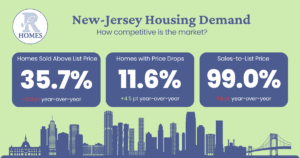
One of the most important aspects of selling your home without a real estate agent is setting the right price. Research the market to get an idea of what similar homes in your area are selling for. Consider factors such as location, size, and condition when setting your price. In this step, it is however important to put the emotional attachment to one side and look at the house in comparison to other houses  from a potential buyer’s perspective who has no connection or memories with the house or potentially the neighborhood. 

Based on Redfin data

Market Your Home

Once you’ve set your price, it’s time to market your home. Take high-quality photos of your home and create a listing on websites such as Zillow, Trulia, and Craigslist. You can also advertise your home on social media platforms such as Facebook and Instagram. In the end, you only need one buyer but finding the right one often requires the message to be communicated to an audience a large as possible. From our experience, go as big and wide as you can right from the start to create more interest and excitement. 

Infographics on selling a home in NJ

Based on National Association of Realtors 2023 data

Hold Open Houses

Hosting open houses is a great way to attract potential buyers and show off your home. Make sure your home is clean and organized before the open house. Keep in mind, you don’t necessarily have to make big repairs and renovations but making it an inviting experience goes a long way when selling a house in NJ. Consider offering refreshments and providing information about the neighborhood to make potential buyers feel at home.

Sell to a Cash Home Buyer

Another option is to search for cash home buyers on Google, Facebook and other platforms. Cash home buyers offer a stress-free and hassle-free selling experience. They would normally take care of everything from start to finish, limit the visits to your house and handle all paperwork with the closing agent, which can be a relief if you don’t want to go through the overwhelming traditional home selling process. But do your due-diligence and make sure you understand if you’re dealing with an end buyer or a wholesaler who would market your house to the actual cash buyer.  In the end, both can deliver great results but it is important for you to understand the difference and know what to expect. 


Negotiate the Sale

When you receive an offer on your home, it’s time to negotiate the sale. Consider the terms of the offer, such as the sale price, closing date, and contingencies. Think about timing and if it works for you. What about those old furniture you really do not want to take with you – can you leave it behind at no extra cost to you? Make sure you understand all the terms before accepting or rejecting the offer. Do not hesitate to ask questions. In the end, the most important thing is to make an informed decision.

Conclusion

Selling a home in NJ without a real estate agent may seem daunting, but it can be a successful and cost-effective process if you follow the right steps. By setting the right price, marketing your home, holding open houses, negotiating the sale, and closing the sale, you can possibly sell your home on your own. 

In the end, the decision to sell your home without an agent comes down to personal preference and comfort level. With the right preparation and mindset, selling a home in NJ on your own can be a rewarding and successful experience.

If you need any help during the process, give us a call. We’re always open to help and support irrespective if you’re using our services or not!


For Sale By Owner

The Alternative to Selling Your House as a ‘For Sale By Owner’ (FSBO): What are the 3 Pros and Cons?

Are you considering selling your house as a For Sale By Owner (FSBO) in New Jersey? YES, it might be a good decision and YES, there are ways to do it in a very successful way. And YES, you indeed can save a lot of money by not paying commissions. But there are also potential risks to consider. Keep in mind, risks do not always comes in the form the big bad wolf but often comes disguised as the friendly helper along the road.

In this week’s blog we’ll dive deeper into the FSBO pros and cons, the impact of alternatives to consider and want to leave you with some ideas how you can approach the For Sale By Owner process. At Ritsel Homes we encourage sellers to educate themselves before making a decision so why not joining us as we unpack the various component in this week’s update.


FSBO Basics

For Sale By Owner (FSBO) is an increasingly popular option for home sellers who want to cut out the middleman. It offers a range of benefits and drawbacks that should be taken into consideration before making the decision to list their property on their own. To help prospective FSBO sellers understand this alternative, we’ve compiled a brief overview of the pros and cons of selling your house as a For Sale By Owner.

Let’s start with some of the benefits:


Pro #1: No Commission or Realtor Fees

This is number one reason why people choose to sell their home themselves! When selling through an agent, the homeowner / seller pay a commission typically between four to six percent of the sale price. While it’s negotiated during the listing process, any commission is usually split between agents allowing for both the seller’s agent but also the agent that brings the buyer to get compensated.

Overall not necessarily an unfair process but it all comes at the cost of the homeowner trying to get the best price. On the other hand, as an FSBO, the seller have no obligation to pay any commission as they will be handling the entire process but could offer to pay a lower percentage (around 2% to 2.5%) to a buyer’s agent. In both cases, no commission or half the commission, it could save them thousands of dollars that would otherwise have gone towards an agent’s services.


Pro #2: Control Over Sale Process

Selling a home can be a stressful, time-consuming process. As such, many homeowners opt for the convenience of an agent-led sale. However, there are some key benefits to selling a house as a For Sale By Owner (FSBO). One of the primary pros is that it gives the seller much more control over the entire sales process.

When selling through an agent, the homeowner has to rely on them to manage paperwork and negotiations with potential buyers. While this might sound convenient at first, it’s important to remember that the wrong agents can have only their own interests in mind – they will want to complete sales quickly and maximize their commission fees.

With FSBO sales, however, sellers can take their time deciding which offer is best suited for them and handle all paperwork themselves without giving away any excess profits or paying out additional fees.


Con #1: Difficult to Price Properly

One major con when considering a FSBO sale is that it can be difficult to price your home properly. Sellers may not have access to reliable data on market trends in their area and may overestimate or underestimate the value of their property. You also have to deal with the emotional aspect of looking at a house from a an outsider’s perspective.

Personally, my “castle” is the best in the street if not the town. You just need to know how many good memories we have from the past couple years. But is that how someone else with no past experience looks at it? Keep in mind, pricing mistakes could cost a seller time and money as they struggle with finding buyers who are willing to pay what they asked for.


Con #2: Limited Exposure

Selling a house without the assistance of an agent or broker means there will be fewer people aware that your property is for sale. Without exposure in the Multiple Listing Service (MLS), already establish social media connections and groups, print media, or other platforms typically used by agents, it can be hard for potential buyers to find out about FSBOs.

You may need to depend on word-of-mouth or your own social media marketing in order to spread the word about your house being for sale.


Consider this; what do you think the impact on the final sales price could be if you have limited exposure and end up with two or three potential buyers vs if you reach many active buyers and end up with twenty to thirty people interested in buying. It simply creates competition and often by far outweigh the potential savings associated with an FSBO.

Take for example the below research which show agent assisted sales on average sells for up to 35% higher than homes sold as FSBO. That far outweighs the 6% commission and other fees.


Con #3: Complexities of Paperwork

Paperwork is often the most underestimated part of selling a house as For Sale By Owner (FSBO). The complexities of paperwork can be difficult for inexperienced homeowners to navigate, and even experienced FSBO sellers can find it daunting. Selling your home as an FSBO requires you to fill out and file numerous documents with local title companies, lenders and government agencies.

This includes filling out IRS forms such as capital gains tax forms, filing transfer documents with the county clerk, creating contracts that comply with local laws and regulations and obtaining any necessary permits or licenses. Furthermore, you will likely need to hire a real estate attorney or accountant who specializes in residential real estate transactions to properly guide you through this complex process.


Now that we’ve looked at the FSBO side, what are the alternatives and how can it benefit you?

Selling with a real estate agent

Although the FSBO route may appear more desirable due to the lack of commissions, fees and other things, hiring a real estate professional can offer significant benefits. One of the primary advantages is that an experienced agent understands local real estate markets and can provide knowledgeable advice throughout the entire home-selling process.

With this expertise, an agent will be able to accurately price your property and is equipped with marketing tools such as video tours, social media campaigns and importantly a network build up over time that will help to promote your listing quickly. Furthermore, they’re adept at negotiating offers with potential buyers and managing paperwork efficiently so you don’t have to worry about any legal hassles.


Selling to a cash buyer

More and more homeowners are opting to work with cash home buyers because of the advantages they offer. From a simple and straightforward process to quick and easy closings, working with a cash home buyer provides numerous benefits that make it an attractive option for any seller. In this blog we discussed 7 Benefits of Selling Your House to a Cash Home Buyer.


Other creative solutions

In most cases, sellers opt for the FSBO option because what’s in front of them is just a handful of options that does not fit their circumstances or priorities. We at Ritsel Homes understand and agree that one size does not fit one. One strategy, for example a traditional listing, is not necessarily the right answer. Instead, we build our business on the vision to create Real Estate Solutions that Impact Neighborhoods and Lives, One Home at a Time.

To do this we work with FSBO sellers in a way that respect their choice to sell their home themselves but just use our network to amplify their marketing efforts. Or sometimes, an alternative solution, as outlined on the Ritsel Homes website, might actually offer a better solution. Let’s connect and explore alternative ways on how we can help you achieve your goals!


Conclusion

In conclusion, selling your house as a For Sale By Owner can be worthwhile if you have the time and resources. It can be a great way to save money on commission fees, but it is important to weigh the pros and cons before making any decisions. FSBO offers the potential for more control over pricing, listing, and staging, however, it requires a lot of hard work, research, and know-how.




Scroll to Top
Scroll to Top